Proudly serving Tuscaloosa
Siding Waterproofing Tuscaloosa
- Built for Alabama storms
- Serving Tuscaloosa County
- Upfront, no-surprise pricing
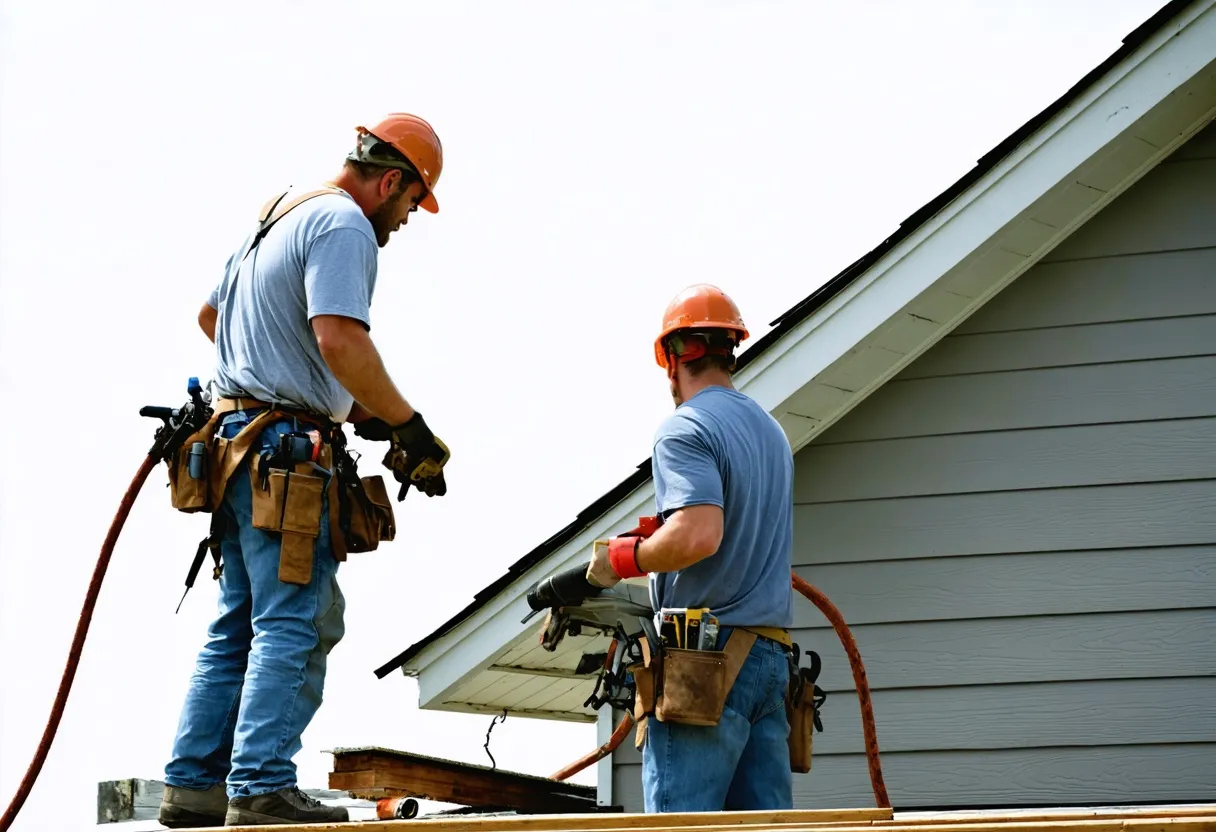
Siding is the first line of defense between your house and Tuscaloosa's weather — and in West Alabama, that weather does not play fair. Between the humidity that sits on this region for months at a time and the severe summer storms that roll through with wind-driven rain, a small gap, a nail pop, or a cracked panel is all it takes for water to start working its way behind your siding. Once that happens, you're not just looking at cosmetic damage. You're looking at wet sheathing, soft framing, and mold growth that stays hidden until a contractor pulls the siding off and shows you the problem.
This page covers everything we do around siding waterproofing, hole patching, water damage repair, and moisture barrier installation for homes in and around Tuscaloosa, AL — what the work actually involves, how we price it, what drives the cost up or down, and how to tell a contractor who will fix the problem from one who will just cover it up. Our approach is built around two things: making siding genuinely storm-ready for this climate, and giving you an itemized, transparent price before any work starts — not a vague estimate that turns into a surprise invoice.
What Siding Waterproofing in Tuscaloosa Actually Covers
"Waterproofing" gets used loosely in this industry, so it's worth being specific about what it means for your home. Siding itself is not fully waterproof — no lap siding product is, by design. It's designed to shed the majority of water while a secondary layer, the moisture barrier (also called a weather-resistant barrier or house wrap), catches whatever gets through the seams, fastener holes, and joints. Waterproofing service means restoring or upgrading that whole system, not just caulking a crack and calling it done. In practice, our siding waterproofing work in Tuscaloosa includes:
- Inspecting existing siding for gaps, warping, loose panels, and failed caulking at seams, corners, and penetrations (vents, spigots, light fixtures)
- Patching or replacing damaged sections, including holes from storm debris, impact damage, or pest entry
- Repairing or installing a proper moisture barrier behind affected panels
- Re-flashing windows, doors, and other penetrations where water intrusion typically starts
- Sealing seams and laps with the correct sealant for the siding material — not a one-size-fits-all caulk
- Checking and correcting drainage paths so water that does get behind the siding has somewhere to go
That last point trips up a lot of DIY fixes and even some quick-patch contractors. Sealing a wall too tightly, with no way for incidental moisture to drain or evaporate, can trap water behind the siding instead of keeping it out — which accelerates rot rather than preventing it. A correct waterproofing job manages water, it doesn't just block it.
Material Options for Tuscaloosa Homes
The right waterproofing and repair approach depends heavily on what your siding is made of. Each material behaves differently around moisture, and the fixes are not interchangeable.
Vinyl Siding
Vinyl is the most common siding material we work on in this market, and for good reason — it holds up well against humidity because it doesn't absorb water or rot the way wood does. Its vulnerabilities are mechanical: panels can crack under storm impact, warp if installed too tightly against the framing (vinyl expands and contracts with heat), and loosen at the nailing hem over time. Waterproofing vinyl siding mostly comes down to correcting installation issues, replacing cracked or punctured panels, and making sure the moisture barrier underneath is intact, since vinyl itself is a "rainscreen" product that relies on what's behind it.
Wood Siding
Wood siding (cedar, pine, or engineered wood lap) is the most moisture-sensitive material we service. In a humid climate like Tuscaloosa's, unsealed or under-maintained wood siding can start absorbing moisture within a single wet season, leading to swelling, cupping, and eventually rot. Waterproofing wood siding means addressing any existing water damage first — cutting out and replacing rotted boards rather than sealing over them — then applying a quality exterior sealant or paint system and confirming the moisture barrier behind the wood is doing its job, since wood siding depends on that barrier more than most materials.
Fiber Cement (including James Hardie)
Fiber cement siding, including James Hardie products, is one of the more resilient options for this region: it resists rot, doesn't warp, and stands up to wind-driven rain better than wood or vinyl. It's not maintenance-free, though. Cut edges and fastener holes need to be properly sealed and painted at installation, or they become entry points for moisture. When we waterproof or repair fiber cement siding, we pay close attention to caulking at seams and trim, and to any spots where the factory-applied coating has been compromised by impact or improper fastening.
Cedar Ridge Siding
Cedar Ridge is a polymer/composite-style siding product that some Tuscaloosa homeowners choose for its wood-look profile without the moisture sensitivity of real cedar. It handles humidity well, but seams, corner posts, and trim transitions still need correct sealing and flashing — the material resists water, but poor installation at the joints will still let water behind it.
Metal Siding
Metal siding (steel or aluminum) is durable against storm impact and doesn't rot, but it has its own failure points: seam sealant breaking down over time, fastener corrosion, and denting from hail or debris that can compromise the panel's ability to shed water correctly. Waterproofing metal siding usually focuses on seam integrity, fastener condition, and correcting any panels that have been bent or dented in a way that channels water backward instead of down and off the wall.
If you're not sure what you have, or you're comparing options for a repair versus a full section replacement, we'll walk your siding with you and explain what we're seeing in plain terms before recommending a material.
Why Vinyl Siding Remains the Top Choice for Many Tuscaloosa Homeowners
Of every material we install and repair, vinyl remains the most requested for straightforward reasons:
Durability
Modern vinyl siding is engineered to handle wind loads well above what typical residential storms produce, and it doesn't rot, rust, or attract wood-boring insects. In a climate with heavy summer humidity, that resistance to moisture absorption matters — vinyl doesn't swell, cup, or need periodic sealing the way wood does.
Energy Efficiency
Insulated vinyl siding (vinyl panels with rigid foam backing) adds a continuous layer of insulation across the exterior wall, reducing thermal bridging at the studs. Paired with a correctly installed moisture barrier, this can meaningfully cut down on conditioned air loss — relevant in a market where summer cooling costs run high for months at a stretch.
Eco-Friendly Profile
Vinyl siding requires no chemical treatments, sealants, or repainting over its service life the way wood does, which means fewer VOCs released over time and less periodic material waste from refinishing. Many manufacturers also use recycled content in production, and old panels can be recycled at end of life rather than landfilled as debris.
None of that means vinyl is the right call for every house — homes with historic character often call for wood or fiber cement to preserve their look, and homes in more storm-exposed spots may do better with fiber cement or metal. We'll give you a straight opinion on which material fits your situation rather than defaulting to whatever is easiest to install.
Our Installation Process, Step by Step
Whether you're waterproofing existing siding, patching storm damage, or replacing a full elevation, the process follows the same disciplined sequence:
- On-site inspection. We walk the exterior, check for existing water damage behind visible siding (soft spots, discoloration, bulging), and identify every problem area, not just the one you called about.
- Itemized estimate. You get a written, line-item quote — material cost, labor, moisture barrier work, and any repair-versus-replace decisions — before we schedule anything. No lump-sum guessing.
- Removal of damaged material. Any siding, sheathing, or framing showing rot or water damage is cut out. We do not seal or cover over compromised material.
- Substrate repair. Damaged sheathing or framing is replaced so the new siding has a sound surface to attach to.
- Moisture barrier installation or repair. House wrap or building paper is installed correctly lapped (upper layers overlapping lower ones) so water sheds outward, with all seams taped or sealed per manufacturer specification.
- Flashing at penetrations. Windows, doors, vents, and other wall penetrations get properly integrated flashing — this is the single most common failure point we find on older installations.
- Siding installation or panel replacement. New panels or boards are installed to manufacturer spec, with correct fastening (not overdriven, which restricts natural expansion and causes warping) and proper reveal.
- Seam and joint sealing. Seams, corners, and trim transitions are sealed with a sealant appropriate to the material.
- Permit and code check. Tuscaloosa-area jobs that fall under local permit requirements are documented and inspected as required, so you're not left with unpermitted work that causes problems at resale.
- Final walkthrough. We review the completed work with you directly and point out anything you should keep an eye on going forward.
Siding Repair and Hole Patching
Not every problem requires replacing a whole wall of siding. A lot of what we do is targeted siding repair for specific damaged sections — a panel cracked by a fallen limb, a hole punched through by hail or flying debris, a corner post pulled loose in high wind. For isolated damage, patching the affected section (matched to the existing material and color as closely as possible) is faster and considerably cheaper than a full section replacement, provided the damage hasn't already let water reach the sheathing behind it.
The key judgment call in hole patching is deciding whether it's truly isolated. A hole that's been open to weather for weeks needs the area behind it checked, not just the visible panel, since water travels sideways and downward once it gets behind siding — the entry point and the damage point are often not the same spot. We check before we patch, every time.
Water Damage Siding Repair: Catching Rot Before It Spreads
Water damage siding repair is different from routine maintenance because by the time it's visible — a soft spot when you press on the wall, dark staining, siding that looks warped or separated from the wall — the damage has usually been progressing for a while out of sight. Our process for water-damaged siding starts with confirming the extent of the problem, not just the symptom:
- Probing the affected area and the surrounding sections to map how far the moisture has traveled
- Checking the sheathing and, where accessible, the framing behind the damaged siding
- Identifying the actual entry point, which is frequently not where the visible damage is worst
- Replacing any rotted sheathing or framing before new siding goes back on
- Correcting whatever let the water in — failed caulking, missing flashing, a gap at a penetration — so the repair doesn't just recur in the same spot
Patching over water damage without addressing the entry point is the single most common mistake we see from prior repairs on Tuscaloosa homes — a new panel goes up, looks fine for a season, and the rot reappears because nothing addressed why water got in to begin with.
Moisture Barrier Installation: Your Home's Hidden Defense
The moisture barrier is the part of your wall system nobody sees and almost nobody thinks about — until it fails. It's the layer between your sheathing and your siding that's supposed to stop any water that gets past the exterior cladding from reaching the wood framing underneath. In a climate that runs humid for a large part of the year and gets hit with severe summer storms, that layer is doing real work, not just meeting a building code checkbox.
We install or replace moisture barriers as a standalone service when siding is sound but the barrier behind it has failed or was never installed correctly, and as part of any larger repair or replacement project. Correct installation means:
- Proper overlap and shingle-lapping so water is directed outward and downward, never into a seam
- Sealed or taped seams per the barrier manufacturer's specification
- Correct integration with window and door flashing — the barrier has to tie into the flashing, not just butt up against it
- A material weight and type suited to the siding going over it and to this region's humidity levels
A poorly installed moisture barrier is often worse than no barrier at all, because it creates a false sense of security while still letting water track into the wall assembly. This is the part of the job that's invisible once the siding goes back up, which is exactly why it needs to be right the first time.
Storm Damage Repair for Tuscaloosa's Severe Weather
Severe summer storms are a fact of life in this part of Alabama, and they're the single biggest driver of urgent siding calls we get — wind-driven rain forcing water behind panels, hail cracking or denting siding, tree limbs and debris punching through walls. When storm damage hits, speed matters: every day siding stays compromised is another day water has access to your sheathing and framing.
Our storm damage siding repair service is built around fast assessment and temporary weatherproofing where needed (so your home isn't exposed while parts or full materials are sourced), followed by a proper repair rather than a rushed one. We document damage clearly, which also helps if you're filing an insurance claim, and we give you an itemized breakdown of what's storm-related damage versus any pre-existing issues we find during the inspection — an important distinction for both your budget and your insurer.
Full Siding Replacement: When Repair Isn't Enough
Repair makes sense when damage is localized and the rest of the siding, sheathing, and moisture barrier are sound. Full or partial replacement becomes the right call when:
- Damage is spread across multiple sections or elevations rather than isolated to one area
- The siding is old enough that matching replacement panels is no longer available
- Water damage has reached the sheathing or framing extensively enough that patch repair would just be treating a symptom
- You're changing materials entirely — for example, moving from aging wood siding to fiber cement or insulated vinyl for lower long-term maintenance
- An insurance claim covers full replacement of a storm-damaged elevation rather than partial repair
Replacement is also the point where an itemized quote matters most, since it involves the most moving parts: material selection, removal and disposal of old siding, sheathing repair, moisture barrier, and installation labor. We break each of those out separately so you can see exactly what you're paying for and where, if anywhere, there's room to adjust scope or material to fit your budget.
Gutter Guards: The Add-On That Protects Your New Siding Investment
Siding waterproofing and gutter performance are more connected than most homeowners realize. Clogged gutters overflow during heavy rain, and that overflow runs straight down the face of your siding instead of through the downspout system — which soaks seams, corners, and fastener holes far more than normal rainfall ever would. It's one of the most common causes of repeat water damage on siding we've already repaired.
Because of that, we offer gutter guard installation as an add-on alongside siding waterproofing and replacement projects. Keeping gutters clear reduces the volume of water running down your walls during the heavy downpours this region gets in summer, which protects both the siding finish and the moisture barrier working behind it. It's a relatively small add-on cost that extends the life of the siding work you're already paying for.
Service Area: Tuscaloosa and Surrounding Communities
We work throughout Tuscaloosa County, covering Tuscaloosa itself along with Northport, Cottondale, and the North River area. If you're outside these areas and unsure whether we cover your address, ask when you call — we can generally accommodate nearby properties even if they're not listed above.
Get Your Free Quote
Tell us about your home and we'll follow up with clear pricing and options.
Ready to Talk Siding?
Reach out for a free, no-obligation quote on your project.